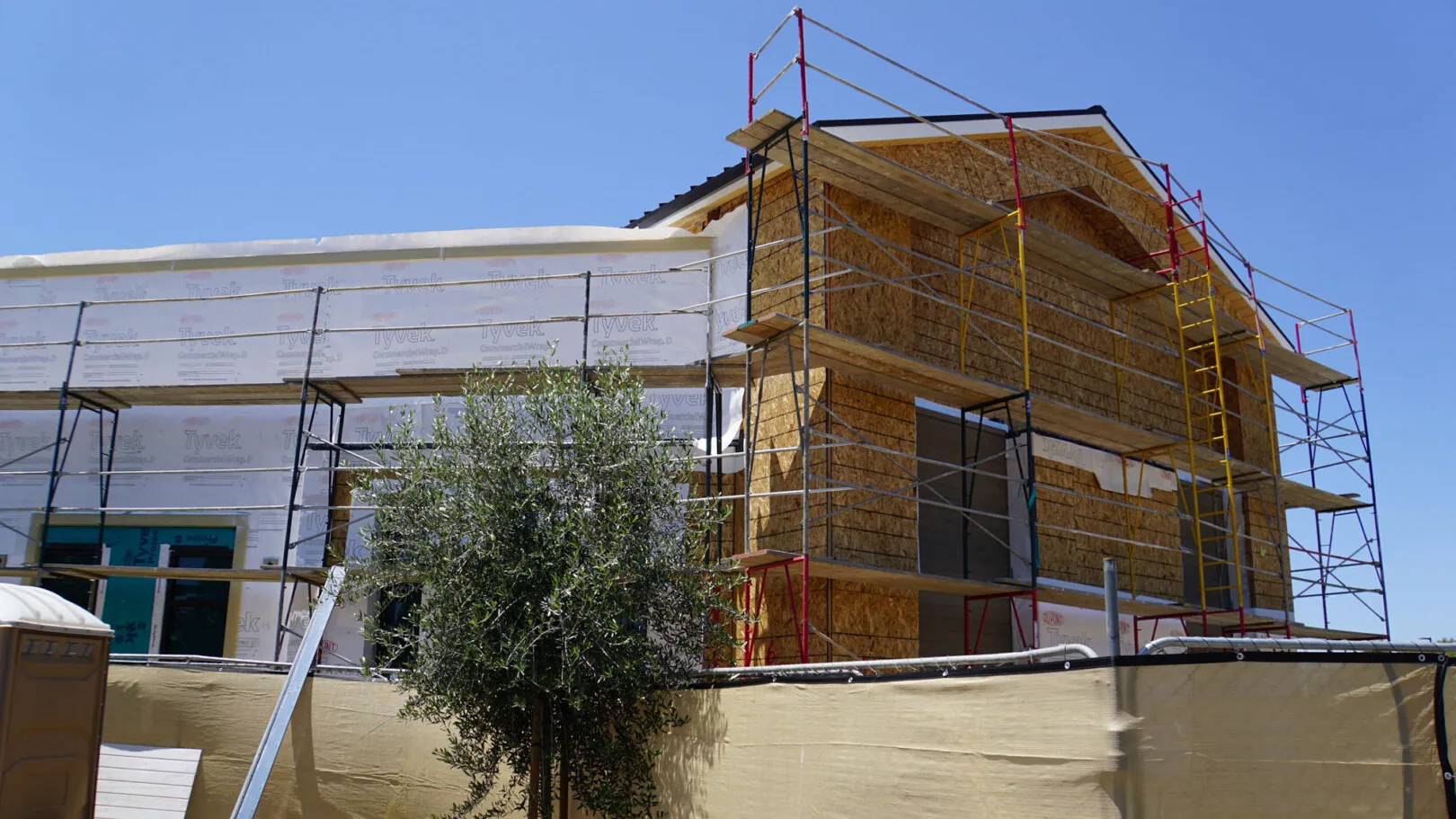
Undertaking a significant church construction project can seem intimidating. Whether you are building a new church or remodeling an existing building into a proper gathering place, there is not a singular program that prepares pastors for the arduous task of seeing a building project to completion.
No matter what a project looks like, it comes with a long list of factors that your church needs to consider. It’s important to ask yourself these questions:
- What is God calling us to do?
- Should we build or remodel?
- How will we secure funds for this project?
- Who will make the crucial decisions?
- How will we get a new space designed?
- Who will we get to oversee the construction?
- What goals need to be set to get it over the finish line?
These broad questions are just the starting point; they do cover the myriad of details that need to be examined and addressed. But this introduction will spark productive conversations among your church team.
What is God calling us to do?
As with every major decision, any church project must begin with a clear understanding of the church’s values and God’s calling to employ them. The more clarity the leadership team has about the church’s mission and vision, the easier it is to discern God’s will throughout this process.
Any construction process is an extension of common stewardship principles. All of our assets and resources belong to God, and we are expected to manage them responsibly and effectively.
It is essential that the entire congregation gets behind a building project. That can only happen when you move past practical and pragmatic considerations to a place where it is evident that your church is fulfilling a God-given vision for health and growth.
Prayer-centered growth.
One of the best things your church can do in the early stages is gather a team of people committed to praying over the project. This group should receive regular updates about progress and decisions that need to be made. The goal is for your church to continually seek God’s wisdom and guidance throughout the entire project.
Just as the Psalmist prayed in Psalm 127:1:
“Unless the Lord builds the house,
the builders labor in vain.
Unless the Lord watches over the city,
the guards stand watch in vain.”
Commit to prayer at the outset.
Should we build, renovate, or remodel?
When you are considering a building project, the choice comes down to one of three options:
- Do we renovate our current church building?
- Do we buy and renovate an existing building elsewhere?
- Do we build an entirely new structure?
If your church owns the space you are currently meeting in, that makes the decision much easier. If there is sufficient space on the property for expansion, the church could investigate what it would take to build an addition or remodel.
Yet even if the church owns the property, there are times when expansion is not an option. This might mean searching for an existing structure in the community and converting it.
Sometimes, though, a church’s best option is to build a new building from the ground up. The luxury here is the absence of limitations that come with remodeling an existing building. The tradeoff is that building a new facility from scratch is expensive and time consuming.
The step a growing church needs to take might feel obvious, but it is still worth it to spend time looking at options and wrestling with the pros and cons of each one.
How will we secure funds for this project?
Raising money for a building project is no small feat. This is where a great deal of the church’s attention and energy will be centered. Typically, a church will conduct a concerted capital campaign to raise additional dollars. There are numerous fundraising experts who can assist churches in structuring well-thought out and strategic campaigns. The leadership team should explore this option, asking other churches with successful campaigns how they did it.
If your church hasn’t already saved funds to cover the cost of a construction project, you will need to raise a significant amount of money within a short period.
Construction loans.
When it comes to securing funds for a major project, most churches will need to secure dollars through debt. The building process incurs a lot of upfront costs that your church may not be able to cover if you are still fundraising through the process. We counsel leadership teams on the right strategy to ensure the loan is manageable to not only complete the project but to pay down the debt after construction has ended.
Securing a construction loan does not negate the need to conduct a capital campaign.
Community networks.
If a church is plugged into the community, you might investigate the possibility of sharing space in the new or renovated buildings. More nonprofits are struggling to maintain facilities on their own, so numerous churches are collaborating with like-minded ministries to better use existing space. Leasing out the building to schools or food pantries might further the mission of the church while generating additional dollars to pay for the project.
Who will make the crucial decisions?
Large-scale construction projects require everyone in the church to be behind the project and making sacrifices to see this dream become a reality. However, a specific core team should be designated to drive the project and see it to completion. If this team is not well defined at the outset, the responsibility will fall on the pastoral staff—who are typically already stretched thin.
Ideally, a single point person manages the project and oversees the team. If your church has an executive pastor, they often assume this role. If not, the responsibility should be assigned to a driven and organized individual. They will keep the project on track, coordinate the teams, and facilitate all the necessary communication.
How will this space get designed and built?
This is the part of the process that takes the most intense research. Construction litigation is second only to medical litigation in the United States. Conflict in a construction project can cost the church both time and money. This is why your church should be deliberate and strategic in the way you select an architect, general contractor, or design build firm.
Our team at CDF Capital counsels churches on how to approach the decision. Plan to do your homework and make sure that all contracts are clear and comprehensive.
What goals need to be set to cross the finish line?
Construction timelines are never set in stone. Eventually, some goals and timetables will be altered.
Here are some questions to help you identify your initial goals list:
- Needs: What kind of facility does the church require for ministry?
- Communication: How will congregants be kept up-to-date?
- Documentation: Are blueprints, plans, and permits aligned to get the job done?
- Design: How will the church approach the design process?
- Zoning: Is the current or new property zoned for what needs to be built?
- Funding: How do the sources and uses of funds align?
Following God’s lead.
Your church’s facilities provide a home base for ministry to take place. Space plays a vital role in a faith community. We would be honored to help you explore the opportunity to make your church construction dreams a reality.
Let’s journey together.
You don’t need to do ministry alone. You can find opportunities to connect, plus more content and conversations about church administration, at XP Summit: xpsummit.org.